Wednesday, August 28, 2019

Myths about Pet Diets Busted


Cats and dogs have evolved to a great extent and so has their diets. They need a balanced diet but pet parents often get confused as to which one would be the most nutritious and balanced amongst all. In this dilemma, they often overfeed their pets.
Well, a lot has been written and spoken about what you must or mustn’t feed your pets. There are also many myths associated with raw diets or several other diets that are given to pets. So, here is a list of some myths which must be busted with real facts so you can help your pet lead a healthy life.

Myths
Facts
Adding organ meats make the diet balanced
Organ meats and offals are not very different. They have the same nutrients but the only difference is they have different concentration.
Offal is good and must be included as a major portion in the diet
Some nutrients in offal are in high concentration and can cause complications. For instance, thyroid hormone in the trachea is in excess. Likewise, the liver also has vitamin A in high amounts. Thus, offal must constitute only 10% of the regular diet.
Cats must be fed raw heart muscles to fulfill taurine requirements in the body
Taurine is found abundantly in all kinds of muscles and other tissues. Raw heart muscles are nothing special.
Cooking destroys the proteins and nutrients which are intact in the raw diet
It depends on the manufacturer’s method of preparing the diet that ensures whether the nutrients will stay or will be leached away. Otherwise, cooking normal raw meat doesn’t flush out the nutrients.
Dog should be fed one type of protein
Different proteins contain different vitamins and minerals and thus limiting to one type of protein can cause nutritional deficiencies in pets.
Diets with high protein are hard on pet’s kidneys
Diets with high plant proteins are hard on the pet’s organs and not the proteins received from animal meat. Poor quality foods are usually packed with high soy or corn content that causes digestive problems in pets. However, premium quality food items from renowned brands don’t pose such threats.
Dry food is necessary for cleaning teeth
Pet teeth are designed to tear, shred and grind meat or wet food. Dry foods, on the other hand, are swallowed most of the times. Moreover, when dry foods are chewed, they produce more starch that can stick to the teeth. 

Hope your facts are finally clear! Myths can do more harm than good thus, it is necessary that we spread real information. Having proper knowledge of what you can feed your to pets and what you must not overdo can help your pet lead a healthy and disease-free life.

So, make sure you are very cautious when feeding any diet or switching to a new one. Always consult your vet. Well, if you do want to buy some good brands online, we would recommend you to go with products like Hill’s science diet or Royal Canin diets. However, making a homecooked meal for your pet is never outdated! Whatever you choose, ensure you know the balance of nutrients you are feeding your furry kid.

Sunday, August 18, 2019

Why Are Dogs Fussy Eaters And How To Stop It?


Wonder why your Fido isn’t eating properly? Huffing and throwing a fit every time you try getting him to eat? Well, you might wanna go back in the past and see what started it all. It’s the pet parents that spoil their pets by giving way too many treats and letting their furry friends eat off of the table. Until you stop the habit of your dog eating table scraps, he’s not going to be interested in the dog food you try to feed him.

Pets are not picky eaters when they’re born but they turn into one as they grow up. Generally, it’s the humans that need to train their dogs or cats. However, if you let your dog eat his favourite food every day and succumb to his petulant behaviour, you are not training him; it’s the other way around. Unless you become strict, your pooch is going to have his way with food. Therefore, your furry pal needs to know who’s in charge of the situation. Hence, for your furry pal’s health, you need to get alert and make an effort to change his eating patterns.


Read below to find out why your Fido is a picky eater –

Ø  If you feed table food to your furry buddy, it’s not a surprise he doesn’t want to eat his actual meal. Dogs have different nutrition requirements than humans so the leftover food you give to your dog not only lacks the nutrients but also instils a habit of taking food from the table.

Ø  When growing up, if you fed a different kind of dog food to check which one he liked best, there’s a chance that your buddy thinks that if he doesn’t eat the given food, something better will come along. When you’re trying out different dog foods, it makes the dog think that he will get new kind of tasty food every day, so he won’t be interested in eating the same food.

Ø  Believe it or not, dogs love cat food. Cat food is very tempting for a dog, so if there’s a cat in your house, ensure the cat eats in a different room.

Ø  Overfeeding treats can also lead to dogs becoming fussy eaters. It’s understandable, actually. If you had a choice of eating your favourite dishes and desserts for every meal, even you wouldn’t want to go back to eating the packed lunches.

Ø  When the pet is anxious or under stress like if someone close to him leaves or there’s an alteration in the daily schedule, he will be reluctant to eat.

How to Encourage Picky Eater Dog to Eat Healthier?

Treats are not only harmful to your dog’s health, but it also promotes obesity. The obesity ratio in dogs has skyrocketed in the last few years and it’s all because of unhealthy and high-calorie food. Thus, here are some tips for dealing with a pet who is a fussy eater.

Limit the Treats

Make your dog understand that the treats are for special occasions only. He won’t be getting treats for all of his meals. Remember, your pooch might act vulnerable and sad, but don’t give in. This will be highly beneficial in the long run, so reduce the number of treats you feed him.

Food’s Not Gonna Wait Whole Day

If, in the past, you used to offer 2-3 type of foods to your pooch, transforming his diet patterns now can be challenging. Thus, if your dog thinks that you’re going to offer him something tastier, he’s going to be disappointed. Whenever you feed him, don’t leave the food for more than 30 minutes. If your pooch is hungry, he’ll eat. After a couple of days, he’ll understand that the food you’re providing is the only meal he’s gonna get and if he doesn’t eat that, it’s going to be taken away.

No More Table Scraps

You strictly need to stop encouraging your furry pal to eat food from your plate. If you don’t stop this, he will think it’s okay to eat out of your dish. Inform other members of your family also to not encourage such behaviour so that the dog doesn’t repeat this mistake again.

Feed Him in A Quiet Room

If the place is loud and noisy, your dog will get distracted and won’t finish his meal. Thus, provide his meals in a room where there aren’t many footfalls so that your pooch can eat peacefully.

Use Food Dispenser Toys

To make mealtime interesting, get the puzzle toys where the dog will have to put some efforts to get the food out. This will make even the simplest food interesting to eat.

Dogs are not fussy eaters by nature; it’s the human behaviour that makes them this way. Initially, dogs used to live in the wild and would eat whatever they could find. They didn’t really have any preference. So, if you want your pooch to eat all kind of dog food, inculcate that habit from the day you bring him to your home.

If your pooch isn’t eating properly, you might want to consider adding dietary supplements to his food so he gets all the required nutrients. A supplement like Bark 
Naturals Vitamin C BoostPowder for Dogs is very beneficial for improving the immune system and providing sufficient vitamin C to dogs.

Monday, August 12, 2019

Natural Remedies For Anxiety And Nervousness In Pets


Have you ever seen your pet react strangely to objects or experiences? A completely normal behaving dog or a cat suddenly exhibiting weird behavioural patterns is an indication of fear or anxiety. Fear and anxiety can be caused due to various reasons. Thus, it is important to eliminate all the reasons one by one, starting from any physical problems, i.e., illness.
Consulting a veterinarian for the diagnosis is the best option. Getting your pet checked for problems like adrenal gland problems, parasites, vitamin deficiencies, chemical imbalance, cancer etc., can filter out the physical problems, if any.
Besides normal anxiety, incessant licking, aggression, pulling out fur, etc. indicates chronic anxiety. So, here are some natural remedies that can help relieve your pet greatly.


NATURAL REMEDIES:

The root cause of stress and your pet’s reaction to a remedy will determine the type of remedy that suits him the best. Thus, one will have to try more than one remedy to find out the best suitable one.
       
      DIET:

Changes in diet can be highly effective to treat anxiety. A diet full of vitamins, healthy fats, antioxidants, etc. can improve the symptoms over a period of time. Feeding whole foods is the best way to administer a diet full of nutrients.
     
      HERBS & HERBAL EXTRACTS:

Catnip, German Chamomile, Hops, Passionflower, etc are some herbs & herbal extracts that help calm nervousness. Using these herbs with an extract that contains their combination is the best way to administer the herbs. It should be noted that using natural sedatives shouldn’t become a regular way of life but should be used for temporary relief only.

ESSENTIAL OILS & AROMATHERAPY:

Essential oils in heavily diluted form can be used to treat anxiety in dogs. The same is not advised for cats. Essential oils can have a toxic effect on the pets and hence one should take utmost care in using the same on pets to avoid its side effects. Following online information on essential oils can prove to be one of the biggest mistakes of your life as a pet parent. So, we highly recommend to thoroughly research the oil you’re using.

The calming essential oils are derived from herbs like Valerian, Vetiver, Lavender, Roman Chamomile, etc., which are seen to have a soothing effect on pets.
     
         FLOWER ESSENCES:
   
    This is one of the preferred modes of remedies used by pet parents owing to its effects and the ways in which it can be administered. These treatments, though being gentle can have an evident effect on fear and anxiety in dogs & cats. It can be administered orally, topically and can even be sprayed. Aspen, Mimulus, Rock Rose, Larch are some of the effective Flower Essences.
      
      CANNABIDIOL OIL (CBD OIL):

CBD is a non-psychoactive part of the cannabis plant. It has proven the effects of stress and anxiety relief on dogs and cats. CBD should be administered in determined dosages and thus should only be given under the guidance of a veterinarian. One should always keep in mind that cannabis should never be given to pets. As a pet parent, one should assure that, if present in the house, it should be placed out of reach from your pet.

      HOMEOPATHIC REMEDIES:

There are many homeopathic remedies available to treat anxiety, fear or stress in pets, viz., Coffeacruda, Gelsemium, Ignatia, Pulsatilla, Arsenicum, etc. It’s advised to use a mixture of the available homeopathic remedies for best results. A pet parent must first use these remedies individually to find a suitable blend for their pet.
     
     THUNDERSHIRT:
   
     This works by creating constant, gentle pressure on your pet. The pressure creates a calming effect on pets by controlling or reducing any kind of anxiety, fear or hyperactivity. It can be used alone or in combination with other treatments or behavior modification programs.

It’s important for pet parents not to get carried away or be reckless while using these remedies. It’s of prime importance that the compatibility of the remedy with one’s pet is checked first. Moreover, vet consultation and supervision is necessary before trying them.

Points to consider before using any of these remedies:

  • Use extreme caution in using herbs & essential oils on cats as they are extremely sensitive to them. If possible, avoid using them on cats.
  • Essential oils should be used in heavily diluted form as they are very strong and can cause complications in pets.
  • Using herbs on pets can lead to drug problems or problems with any pre-existing conditions. Thus, consult a veterinarian before introducing these to your pets.
  • Always purchase high quality products to ensure purity and thus, success. 


Thursday, August 1, 2019

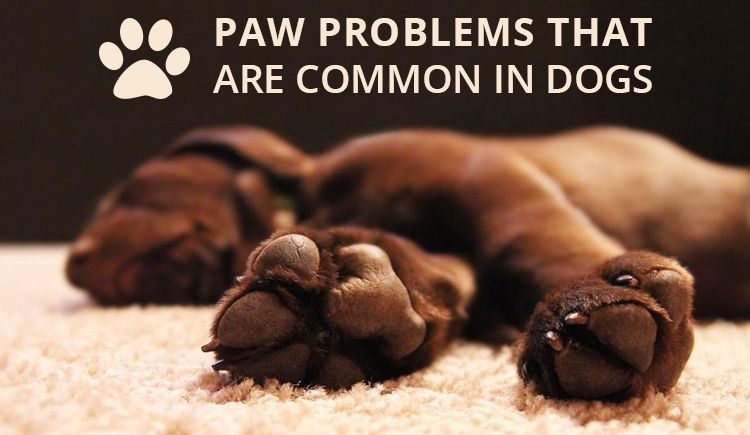
Paw Problems That Are Common In Dogs


Paws are one of the most overlooked parts of the dog’s body and encounter sundry health issues and injuries because of the lack of proper care. Since paws pads are majorly responsible for providing balance, traction and maintaining the pace of your dog’s gait, they undergo a lot of wear and tear. 
Thus, when attention and care are not provided, they tend to suffer from miscellaneous issues which directly hamper the mobility of your pet.

Thus, it is important for all pet parents to pay cognizance to paw issues that can emerge in dogs in order to prevent them before they occur. 


6 Paw Issues Caused In Dogs

Fungal Infections

Fungal infections like ringworm and yeast infections are quite common paw problems in dogs. These infections can either be transferred by other animals or can happen due to constant humidity between the paws and nails which allows the already existing yeast or fungus to multiply. So, if your dog is persistently chewing or licking his paws, has swelling and pain in the area, or there is redness and greasy discharge between the skin folds of the paws, he may be suffering from fungal infection.  Yeast infection in dogs can often be a secondary symptom to an allergy hence, pet parents need to be 
watchful of the main reason behind the infections and treat their dogs accordingly.

Bacterial Infections

Bacterial infections are almost alike. They have the same symptoms as of fungal infections like redness, itching, greasiness between the skin folds, and swelling, etc. Thus, getting your pet examined by the vet is necessary. He is most likely to determine the kind of infection by taking a sample tissue and would suggest the antibiotics or other topical treatments as per the necessity. Well, antibacterial and antifungal shampoos are also effective in relieving the symptoms. However, one must take vet’s advice as he/she would know the intensity of the bacterial or fungal growth in your pet’s paws better and decide the best treatment your dog requires.  

Cracked Paws

Cracked paws can be painful and may lead to bacterial and fungal growth if not treated on time. Hot pavements, dry air, chemicals, increased exposure to rough surfaces and excessive licking can be an array of factors that may give rise to such condition. Thus, make sure you check your dog’s paws regularly and consult the vet for their treatment, if the problem persists.

Parasites like Ticks and Mites

Ticks often lodge themselves secretively in between the dogs’ paws to receive the warmth, and take blood meal simultaneously to help them grow. Dogs who have ticks in their toes often find difficulty walking and it is needless to say, the kind of diseases they bring along are debilitating to dog’s health. Thus, check his paws on a regular basis and if you find a tick hidden beneath the skin folds somewhere, remove it with the tweezers. Also, get your dog examined for any prevailing or recently acquired tick-borne disease.

Mites, on the other hand, can thrive and infect the hair follicles above or near the paws leading to swelling or hair loss. Thus, the examination of paws is necessary if you see such symptoms in your pooch. 

Allergies

Allergies like canine atopic dermatitis which mainly arise due to allergy to foods, pollens or other environmental factors can be one of the major reasons behind excessive itching in your dog’s paws. However, when dogs lick their paws continuously, the skin can often crack and may further lead to deep bacterial or fungal issues. Thus, it is important to figure out the causative agent of such allergies to prevent the dogs from self-inflicting their paws.

Blisters and Frostbites

Dogs walk barefoot and their paws directly come in contact with the hot pavements in summers and ice-laden paths in winters. So, when a dog walks on those hot surfaces, their paws can suffer from inflammation, redness, burns, and blisters. Similarly, when the surface is icy, they can often get frostbites. Therefore, it is extremely necessary to touch the surface with your hand when you take your dog outdoors. In case, if it is too hot or too chilled, it is better to avoid that route or let him stay at home.

Ingrown nails

It is often observed that dogs who have long nails or ingrown nails face challenge while walking. Their gait changes and leads to excessive pain. Therefore, pet parents should trim their pet nails regularly. In case, there is an ingrown nail which is hard to remove, it must be surgically chopped off.

Paw problems can mar your pet’s health and well-being significantly. Thus, it is necessary that pet parents must not take any of the above conditions lightly. Do regular check-ups and consult your vet if required. Besides, whenever you head out, consider the weather conditions and plan his walks accordingly.

Since dogs cannot convey their debacle to us, it is our responsibility that we pay heed to whatever adversities or situations can harm their paws and overall health. So, in case you have been observing your pet and realizing that he has all the symptoms of poor paw health and his limbs smell stinky, take prompt actions and consult your vet immediately to prevent further damage.

Friday, July 26, 2019

Tips To Help Your Dog Lose Weight


One fine day when you’re looking at the mirror and find yourself bulging with a big belly hidden under the layers of cotton clothes, how will you feel? We humans have a sense of awareness regarding all the changes that happen around us or within us. Therefore, it is best advised to be aware of your extra calories displaying the signs of being overweight. A big belly is a house of bigger health issues. Just like us, even our pets are prone to gain kilos if not taken proper care. Obesity in dogs shortens their breath, lowers their energy and comes with assortments of alarming health concerns. Your chubby furry pal may be looking like a ball of cuteness but those extra kilos can lead to serious health issues.
At times, pet parents aren’t aware enough to heed that their pet is becoming overweight. Here are the ways that can help them to find if their dog is overweight.


How You Can Tell If Your Dog Is Overweight?

It is imperative for pet-parents to understand that the excess of fat on their pet can be the most influential factor for the quality of their life, disease prevention and longevity. It’s quite easy to figure out if your dog is overweight. It’s even easier if he’s bulging visibly; you can weigh him your pooch at home using bathroom scales and do weekly follow-ups. To make sure whether your dog has any underlying health conditions, take him to the vet for checking his weight as it is important to his ideal weight.
Once you find out that your dog is overweight, ensure to put on all your potential to help your pup shed kilos. Here are some really helpful tips that will help you to trim excess kilos from your pup and maintain his well-being.

Tips To Help Your Overweight Dog

Keep Your Dog Active

A small step of changes in your dog’s daily routine can make a great difference to keep him fit and pawsome. It is always better to start small to gain big, therefore, instead of introducing a vigorous workout session for the dog, start with keeping him active at home. It may be soothing to watch your dog freely laying all day, but their lethargic behaviour detriment their quality of life by leveraging their weight. It is best advised to stimulate an indoor environment that gets your dog moving more often. Stay energetic to keep your pup active!

Limit Treats & Table Scraps

The love that you have for your poodle shouldn’t be just shown in the form of serving food to them. It may be tempting for your pup to receive treats and table scraps from you out of affection but the same can be a major factor to add extra kilos in them. Instead, alternate your affection by giving him hugs and back rubs when you train your dog or when he does something amazing. You can also replace treats for your dogs with low-fat and low-calorie option and limit the amount.

Customize Your Dog’s Diet

There is an abundance of diet food for dogs available in the market. A dog should be fed two or four small portions a day instead of free choice feeding as it can contribute to unnatural hormonal changes. Moreover, feeding the right diet to your pooch is the key to help them reduce excess weight. Not all foods for weight loss are sufficient enough to fulfil all the nutritional needs of your dog. So, it is important to match your dog’s body requirements with the nutritional plan or diet foods that directly address their specific needs.

Introduce Your Dog To Regular Exercise

Thinking of helping your pet to shed kilos can be a great idea but implementing the plan of action is something that really works. Therefore, it’s high time to introduce your pet with some fitness and fun. Start with taking your pup out for a walk at least for 15-20mins a day, then keep on increasing the time to 30 minutes. Take him to the park where your poodle can play, run and have fun which can ultimately help him to stay fit. Gradually increase your dog’s daily activities that burn offs their calories.
Above all the tips and tricks for your dog’s weight-loss, it’s crucial to stick with it. Achieving major targets takes time; therefore, consistency is the key to witness significant weight-loss in your Fido.

Tuesday, July 16, 2019

Is It Okay If Your Dog Licks Your Face


One fine day when you’re relaxing on a sofa with a book in your hand, engrossed in reading and suddenly your pooch jumps with a wagging tail on you and with love comes a slurp on your face, how does it feel? Do you feel the same amount of joy for your pup when you’re slobbered over by your adoring furry friend or you just sit there minding your own business by ignoring his annoying licks? Well! Sometimes you don’t have a choice about that. There’s a set of default human nature which cannot be changed that easily or at all. Similarly, licking is a dog’s nature as they have a natural licking instinct.
But, despite this adorable licking gesture, many pet parents are sceptical about the lick-mindedness of their pooch. There arises a question about why a dog likes to lick its pet parent? Is it really safe to allow them to do the same? Here we will explore why dogs like to lick certain parts of the body and whether we should let them.


Why do dogs lick and what does that mean?

Puppies are deaf and blind when they come to this world, the only thing they have is a sense of taste through which they learn about their mother and another environment until they develop other senses. Though, licking remains a prime mode of communication between dogs throughout their lives it’s important to know that it hasn’t developed into a pattern. When your dog licks your face, it conveys several different meanings-from expressing their joy and respect towards you, to concern and fear for your safety.
We might have heard the heroic tales of first-aid of your dog including the stories about the ability of dogs to clean a wound with their tongues. But, when unfolding its other side it is found that there are bacteria in most dogs’ mouth. Let’s understand how a dog’s licking can affect you.

Is it hygienic to let your dog lick your face?

A dog’s mouth consists of various bacteria and organisms and humans are not built to fight those nasty creatures. Most of the bacteria may not be that harmful but there’s a high likelihood of your dog’s mouth containing zoonotic organisms. You don’t know where that mouth has been, your dog may be playing with other furry friends or may be licking its genitals right before it decides to lick you. Your dog may carry parasites or sepsis that can be detrimental to your health.

Parasites

Dogs can carry parasites such as hookworm, ringworm and Giardia which causes diarrhoea and intestinal upset. These parasites can easily pass to a pet parent when a dog licks their face. The parasites can be harmful to the immune system of the human body because it damages the intestinal tract and digestive system.

Sepsis

A dog’s mouth is a house of organisms and these organisms is the cause of severe sepsis infection. Sepsis makes a person fall ill immediately and it may take weeks to recover. Sepsis infection can cause symptoms such as fever, fatigue, sweating or experience chills. Therefore, it’s better to stay away from your dog’s licks rather than contracting this infection.

Debunking the myth of a dog’s licking tendency

There’s an old myth that a dog’s mouth is cleaner than a human’s. But, it is crucial for pet parents to know that a dog’s saliva can contain mucous membrane found in the nose, eyes and mouth. A dog’s muzzles are packed with germs, viruses and bacteria where some of them can be potentially detrimental for a human body. Dogs tend to stick their nose into everything, so, it might be adorable to see your dog licking your face but it’s equally dangerous.

What are the ways to prevent your dog from licking your face?
Divert Their Attention

When you are playing with you Fido and you are aware that he’s about to or trying to lick your face then try to divert their attention by initiating a playing session or by offering a treat.

Train Your Dog

Though it’s a dogs’ tendency to lick something they like, you can train them to show their affection in another manner. You can encourage their other ways to show the affection and joy such as wagging their tails, circling you or jumping. It may be a slow process for your dog to change their lick-mindedness but their favourite treats and extra rubs on their belly can surely fix it eventually.

Should you let your dog lick you at all?

No matter how much you constrain your dog, they will find their way of expressing their emotions by licking your face. So, sometimes it’s fine to let your dog lick you but responsible pet care is immensely required in order to reduce the chances of contracting any diseases to you and your family. Therefore, here are the things you need to pay heed on.

  • Make sure that you regularly provide vaccinations, flea and tick controls and dewormers to keep him free of parasites such as worms and fleas and ticks.
  • Keep your pet well groomed
  • Wash your hands after cleaning up your pet
  • Keep your dog’s water and food fresh.

Do not let your dog lick children as they can be at greatest risk of picking up an infection from a dog’s lick. But, when it comes to you, allowing your dog to give you an occasional lick or kiss strengthens the intimacy and bonding that helps your pet feel connected to you. So, it’s okay to play it safe when your dog comes to lick your face.


Thursday, July 4, 2019

Things to Remember While Grooming Your Dog

Keeping your furry pal hale and hearty at all times is what every pet parent strives to do, and this includes grooming your furry friend. Grooming is extremely important and must be done by dog parents. There are two ways of grooming your fur baby; one, do it yourself at home and two, seek a professional groomer’s assistance or help. If you plan on grooming your buddy all by yourself, it is imperative to remember a few things. Below is a list of do’s and don’ts that you must keep in mind before or while grooming your munchkin.


Grooming Your Dog – The Do’s

Brush Fur and Coat Regularly

Every once in a while, make sure you brush your buddy’s fur and coat. Not doing so can leave your poor pal’s hair in a messy and terrible state. Brushing the fur regularly also helps to quickly identify whether or not your canine friend has the dreaded fleas, ticks or any other creepy parasites.

Stay Calm and Be Patient

Perhaps the most important step towards good grooming is for you, the pet parent to stay calm and patient. Being calm and patient not only helps your pet stay calm, but it also helps you in grooming your buddy the right way without injuries to them or you.

Use the Appropriate Grooming Tools

Grooming requires tools such as a brush for brushing the fur, nail clipper for cutting the nails, etc. Using appropriate grooming equipment is essential; for instance, a regular brush may not be useful for a specific dog and will require a special brush. Hence, know which tools to use and how to use them.

Groom in a Well-lit Location

Before you begin your mate’s grooming session, make sure you are in a well-lit location. A place with proper lighting will help you see what you are doing, and it is also much safer. Furthermore, ensure that the area where you are about to groom your pal has a non-slip surface. This will help prevent your pal from any accidents.

Shampoo Before Bathing

Bathing your fur baby is important, but make sure you are shampooing him too. Just by applying water onto his body is not enough. Applying shampoo on his fur not only makes his fur soft, but it will also help to remove all the dirt and debris from the skin. Bathing with shampoo is always the correct way to bathe a dog.

Remember to Trim Nails

Lest you forget, trimming furry pal’s nails is also part of grooming and mustn’t be ignored. Long nails tend to hurt your furry munchkin while he walks and may make him feel uncomfortable. Trimming his nails not only helps him overcome his difficulties in walking, but it also helps in maintaining proper hygiene in your pooch.

Use a Towel for Wiping Water Off The Fur

Always use a dry towel to wipe the excess water off your buddy’s fur. After a bath, make sure you do this because a wet fur coat can lead to matted hair as well as the possibility of excess dirt sticking onto your pal’s fur. Hence, ensure you wipe off the excess water off your buddy’s fur with a clean and dry towel.

Make Sure To Clean the Ears

And lastly, remember to clean your pooch’s ears. They are arguably the dirtiest and the most neglected body part. Pet parents tend to forget to clean a dog’s ears, so make sure you clean his ears with the appropriate equipment.

Grooming Your Dog – The Don’ts

Do Not Rush and Be Pushy

Never force your dog to do something he does not want to. And even if you want him to do something, make sure you are patient and polite. Similarly, when grooming a dog that does not listen to you, it is important to not rush or push him. Doing so can cause a panic attack to him, and you may well have to reschedule your grooming session.

Avoid Using Scented Shampoo

Do not use scented shampoos on your furry pal. Scented shampoos can irritate your poor buddy’s skin, coat, and nose and can lead to irritations and discomforts. Thus, stick to antifungal and antibacterial dog shampoos.

Do Not Bathe Everyday

Bathing your dog is good, but bathing him every day is not the smartest thing to do. Everyday bathing strips dogs off their natural oils and can lead to skin and temperature-regulating problems. Thus, in summers bathe him once a week and bathe him once in two or three weeks during the colder months.

Avoid Cutting the Quick

While trimming your buddy’s nails, be very careful. Do not cut his nails too short because you may cut the quick, and doing so can lead to blood loss. Even if you cut the quick by mistake, do not panic. Instead, grab a piece of cloth and press it against the cut toenail. Then pour styptic powder or cornstarch on it to stem the flow of blood.

The next time you groom your buddy, make sure you follow these tips. Also, share them with other pet parents you know so that they too can groom their furry munchkin the right way.

Click and Go for the Grooming Products for Dogs