Thursday, May 5, 2016

Pet Parenting – The Proven Ways to Teach Your Child about Responsible Pet Ownership


Recently, a surprising incidence came into the news. A child’s pet was lost when they were on picnic, and in the conquest to bring him back, he has worked hard through troughs and crests. With this news going viral, the internet had busted with trending twitter hashtag child’s pet, increased facebook likes and instant instagram hits.

This has really opened up a platform for us to discuss that how children love pets and if they are trained to become a responsible pet parent, they can really prove their mettle and show the world how children can take the best care because of their love for pets.
Taking this notion into consideration, we bring in here some of the few tips that you can apply and help your child become a good pet parent.

Parental Guidance
Children specially love pets and they posses that irresistible urge to own a pet. And many into this will turn out every stone to get their furry pal. At your kid’s age, you may remember how you had yearned to get a pet, and to have one you were ready to clean your room and keep your things at proper place or promised to mow the lawn every Sunday only to have a lovable companion. However, if you decide to get a pet then you need to be ready to handle all the responsibility and the same you need to inculcate these things in your child. You need to supervise your child when they like to carry on the pet care on their own. Remember that though children like to look after the pet, you should never leave them alone regardless how trustworthy your animal is or how well-behaved your child is.

Taking Steps for Basic Care
Involving a youngster in taking the basic care of your pet is essential and the first part to teach them is about their essential requirement. This also helps your child learn why a pet parent must take responsibility of taking care for their basic needs. Start discussing with your pet about what your pet needs as similar to humans such as food, water, medications, clean place to eat, proper personal space, somewhere to go toilet, room to play and move, quiet place to sleep.

You can even transfer of the more responsibilities depending on their age such as washing the pet’s food dishes, cleaning the litter box, grooming him or helping to lead during the walk and help them to understand the responsibilities of a pet owner. You need to also explain them about the parasites to which your pets are more vulnerable and treating them flea and tick control products such as nexgard, comfortis and frontline plus.

How To Handle Pets Responsibly
When your child likes to take care of the pet, it is also important to teach him/her how to handle them properly without hurting them or frightening them at an early age. Demonstrating and explaining the correct way of stroking your cat or dog and how to approach a dog will help create a good bond between your child and a pet. To get on the long route of pet parenting, teaching your child to understand the body language of a dog or a cat will imperatively help prevent unwanted accidents and result into a strong bondage between them.

You can even show your child how to teach the pet to listen to command and follow discipline without using aggression. You can even get your child register into training classes along with the family, if you are unsure of the training methods.

Importance of Vet Visits
For your child to be a responsible pet parent, you need to explain them the importance of vet visits. How important it is for a pet to be taken to your vet for vaccinations, annual checkups, spaying and neutering. Children are quite sensitive and taking your pet to the vet may be quite frightening for them. So you need to curve out the answer to help him understand the requirement of vaccination, yearly treatments and neutering or spaying. This will all help the youngster better understand what all the things a responsible pet parent needs to follow and do in order to provide the best care to their pet.


Friday, April 29, 2016

7 Steps To Teach Your Dog Stop Chasing Your Cat

Wooohoooo...purrrrrrrrrrr…..wooohooo……..puurrrrrrrrrrrr….is that dog and cat wild chase going round in your house, and you’re frustrated and irritated by this situation. With both the pets in the household, many pet parents may face this stressful environment. Dogs and cats cannot be fabulously good friends and that chase game always exist between them.


To help them co-exist peacefully under one roof, pet parents have to clearly put into their mountainous efforts to handle their pets in order to stop that mad chase. Get onto your heels and run into these 7 effective steps to teach your dog to stop chasing your kitty.

Keep The Cats Out Of Reach
Dogs like to chase cats – may be due to the act of jealously or the age old enmity that must have followed the legacy. With both kinds of pets in your adobe, it becomes crucial to keep them separate in order to have a hold on this act of your dog. Provide separate space for both your cat and a dog. Always keep your cats out of reach of your dog. When your dogs are mostly outdoors, let your cat be indoors and vice versa.

Keep Watch On Cats Before Dogs Are Out
The easiest way is to keep a watch on your cat. Whether she is roaming in the yard or yawning under that chair. Ensure that your dog is away. Your dog can’t chase and catch the cats that aren’t in the vicinity. Make it a habit that if you’re letting your dog out in the open check where your cat is.  

Teach Good Cat Lessons To Your Dog
To have harmonious environment in the house with both the animals existing, it becomes    paramount to teach them good friendship lessons. Dogs are easier to train and being friendly by nature can quickly learn the message you want to pass. Take your dog on leash and introduce him to your cat. When barking at the cat, hold him tightly with the leash and when he stops reward him with a treat. Repeat this training session couple of times for a few days and your dog will start behaving in the coat in spite of your cat roaming around.

Induce Physical And Mental Exercise In Your Dog
Dogs tend to chase cats in the way to kill their boredom or just for fun as they are full of energy. Introduce your dog to some physical exercise like ball throw game, chasing a throw stick or giving him a chew toy. This will exhaust him for the day with no room left to have that Tom and Jerry chase game going around the house.

Training Dogs To Follow Your Command
 Dogs are good at listening to commands under good trainers. Your dog well-trained with “sit”, “stand” command can easily follow your “leave it” command. With the leash on your dog, let him chase the cat. With the hand sign, command him to leave it. When he is stops, reward your dog with a treat. Repeat this training several times, and eventually he follows the ‘LEAVE IT’ command.

Help Your Cat Too
Cats are no less than dogs. Some of those purrs try to irritate the dogs and the outcome; you can just see that wild chase marathon in your house or the yard. Help your cat to change her association with your dog by feeding her tasty chews, while she is in the dog’s presence. Similarly, provide treat to your dog for his calm composure. You can even revamp the environment with cat safety zone – that is inaccessible to your dog. Provide lot of high perches for your cat or set up baby gates to create safe zones.


If you still find that you are not able to cope up with this situation or going mad with that dog chasing cat scenario, then take a help of a professional. A dog trainer can surely bring in some good news for you. 

Wednesday, April 20, 2016

Subtle Signs Of Arthritis, Causes And Treatments

Pet Parents want their pets to stay healthy, happy and playful. However there are always some situations that don’t let them have their 100% life imagined with canines. Isn’t it? Arthritis is one such health condition that may snatch away all the perkiness from pets. Arthritis is a form of joint disorder that generally involves inflammation of one or more joints. Although there are a number of Arthritis types, Osteoarthritis is the most common one. 


Symptoms of Arthritis can be very subtle and may go unnoticed until you observe and recognize the changes in pet’s movements, activity and habits. Here are some of the minute symptoms that may help you determine the probability of Arthritis in your furry friends:

Signs- Peep real nice

Difficulty in moving in the morning due to stiff joints
Biting or licking joints
Seems unexcited about the run, walk or play that he/she used to love
Lack of enthusiasm for climbing the stairs or jumping into the car
Limping with one or more legs
Groaning or yelping occasionally
Avoids getting up once stationed at some place
These are some minor symptoms that may be indicating joint issues in canines and felines. However have you ever wondered what causes these joint problems in pets when you take care of him/her with all your heart and economy? Well, the following could be the reasons of your pet’s weak joints:

Causes- Cut to care
Obesity is one of the major causes of Arthritis in dogs and cats at a younger age. Cut their diet and add exercises to keep them in shape.

Dislocations, fractures or trauma may later take the shape of arthritis. Add joint care supplements that prevent joint inflammation.

Hip Dysplasia and Elbow Dysplasia, highly inherited conditions may dislocate your pet’s hip or elbow that may lead to arthritis. Check for this condition in puppy’s parents and start supplementing at an early age to avoid arthritis.

Do not oversee your pet limping without any injury. That can be a dislocated knee cap. This condition is common in smaller breeds resulting in lameness and chronic pain.

Ligament rupture in knees makes the joints unstable and may become the cause of severe arthritis if gone untreated.

Treatments- Exercises for you
To overcome the above mentioned causes it is necessary to visit your vet if you see your pet is in pain that has no visible wound, is limping or lethargic. Giving a hot water bath may help your pet feel better with the joints. Warm and cosy bedding can be comforting for pets in such situations. Special joint diets and treats such as Hill’s prescription diet j/d Mobility Canines canned food, Eukanuba Daily Care Sensitive Joints, etc. may help your pets recover damaged joints. However the most effective solution to prevent or treat arthritis may be the use of joint supplements such as:

Joint Guard 
Paw Osteocare Chews
Natural Animal Solution’s Osteoforte Caps
Natural Animal Solution’s Nature’s Organic Calcium

Are you now prepared to fight arthritis in canines and felines? The combination of joint care diet, supplementaries and exercises may help you fight joint inflammation and arthritis in pets. Set your goals today to keep your pets sturdy and fit!

Monday, April 11, 2016

“Should I Let My Dog Enjoy A Bone?” Find Everything You Need To Know!


Feeding bones to pets is somewhat a controversial subject for veterinarians and experts. The dental expert’s recommendation suggests that it is beneficial for a pet’s teeth and gums while the others say that it may pose gastrointestinal as well as choking issues. However, there is a good chance of it being a good thing if you take several precautions. Here are a few important queries solved regarding bone feeding to dogs:

Do bones really help canines?
Bones are one of the few ways of improving your pet’s oral health. Raw meaty bones are good for cleaning your dog’s teeth. Scraping caused by chewing on a bone massages the gums and helps in removing plaque. It is important that you feed a bone covered full of meat and not a dry, meatless bone. So, yes feeding bones do help in maintaining oral health of pets.

What extra care should you take while feeding a bone?
It is an unwritten rule that to make it a habit, or to teach it right, one must start the process right from the childhood. The same applies to feeding bones to dogs. Start feeding bones right when they are puppies as introducing bones later may not help your pup learn the correct way of chewing.

The whole bone in a single go is not advisable. It is unhygienic to put away a half eaten bone which leaves only one option and that is to cut it into half. You must never cut it lengthwise as it may flatten. Always cut it across.

Teach your pups on how it is only for chewing and not cutting through. It is important that you dispose the chewed bones and not let your pup have a second go at it. Always supervise your pooch while he is enjoying his bony treat. After all you wouldn’t want an accident because of his treat, right?

This is important! Never feed a cooked bone to your pet as it may splinter and is the major cause of choking hazards. Always go for raw!  Another important thing is that the bone should always be the size of your dog’s face so that there remains no chance of swallowing it the whole.

Should there be any preferences while choosing a bone for pup?
Well, yes there should be some preferences regarding the size and the parts according to the breed. For instance it is not safe to feed small bones such as chicken necks to large/medium/small dogs as they may easily swallow it. It is recommended to ask for “dinosaur bones” to the butcher for your large, medium and small breeds. Chicken wings or chicken necks may work fine with toy breeds. Keep the preferences in mind if you want your pooch to enjoy the bone meal.

Do you still think that feeding bones is a bad idea? Well, it may be a bad idea if you are a careless parent to your dog, but you are not. Isn’t it? Make necessary decisions and observe your pups gnawing on bones for their safety. Ask your vet about his opinion on this once, it might help.

Tuesday, April 5, 2016

My Dog Has Been Bitten by a Bee...Now what?

Dogs are very curious by nature. They like to explore different things by running and chasing things including insects and bees. In certain cases, when you are outdoor with your pooch bees can sting your four-legged friend to protect themselves. But there is nothing to worry as most of the bee stings are not life threatening. But there is a vast difference in developing an itchy lump and getting serious illness that can lead to emergency trip to your veterinarian.


It has generally been observed that bees are more active during warmer months of summer. Hence, it is always better to understand the effect of the sting on the dog:

ü  If your pooch has been bitten by a bee it can be very irritating and painful for them. But if the bee stings multiple times or stung within the mouth or throat it can lead to an emergency trip to your veterinarian.
ü  There are two main culprits that cause stings in dogs: bees and wasps. The problem with the stings is not the small puncture of wound that results in pain but a very minute amount of poison is injected by the insects while passing the stings.
ü  In bees, the stinger is taunted and has been intended to get into the skin of the dog thereby killing the bee when the stinger separates from the body
ü  Wasp stingers are not taunted but result in more pain in dogs. These insects can sting multiple times if provoked by the dog
ü  It has been observed that dogs more often than not get stung on their faces while trying to scrutinize the insect from close. A sting on the nose of the dog can be very painful. A sting on the tongue, mouth or throat cane lead to life threatening condition since it can lead to swelling in the dog’s throat leading to blockage in their airway.

What are the symptoms of Stings?
Just like human beings, dogs react differently to stings depending on their size, breed, location of the sting, size of the sting, the allergic symptoms in dogs to the venom secreted from the sting of the insect etc. If you find your pooch in pain, you will be able to see redness, swelling and large bumps as the first physical symptom of the sting. If your dog has a mild reaction, the area where the sting occurred will remain itchy for some days to heal.

Bee stings can result initially in unexpected diarrhea, sudden defecation and/or urination, and extreme itchiness. If it has affected the dog severely then they may show drooling, laboured breathing, soft gums, cold limbs and confusion or listlessness. Irrespective of whether the sting is severe or not it should not be overlooked. If you find that your dog has developed any of the symptoms mentioned above then please get in touch with your veterinarian.

Treatment of Bee Sting for Dogs
It has been observed that Benadryl also known as Diphengydramine is most effective on dogs for bee stings. It is the same treatment that is human beings use but for dogs it is in liquid state. If the dog does not feel well then the veterinarian would give them an injection since it will work quicker than a pill. Dogs generally develop hot spots, irritated areas or scabs at or around the sting site and they try to lick it hence; ensure that the area is clean until the wound heals.

If your pet shows some reaction then additional treatment encompassing prednisone (steroid) needs to be given in injection form to relieve the inflammation. If your dog goes in anaphylactic shock, they will need a respiratory and cardiovascular support also along with IV fluids. If there is any bacterial infection then antibiotics would be given to the dog to prevent further damage. If your dog has suffered an anaphylactic shock they will require staying at the veterinary hospital for a day or two for observation and sustained treatment.


You should not restrict your dog from going to parks or woods due to the fear of a bee sting. Just keep in mind that most of the dogs do not show any severe symptoms after the sting. In fact many times you may not even realize that dog have been bitten by a bee. Just ensure that you monitor the health of your dog along with his behaviour and if you find anything abnormal rush to your veterinarian immediately. 

Thursday, March 31, 2016

Top Five Online Pet Stores in Australia for Discount Pet Supplies


The fast track life has taken us to online shopping and shopping for pet supplies is not out of the list. The necessity for convenient shopping at the ease of clicks has brought many stores online providing best services and unbelievable prices. When it comes to discounts, nothing can beat online pet stores. Let’s have a look the top five stores online in Australia that has leg up on other stores.

Discountpetcare.com.au
Following the lead comes discountpetcare.com.au. Recently emerged in the pet world, the online store brings a load of various pet supplies from top brands at best prices. Offering great discounts, the site provides overall best shopping experience. Easy to browse and with proper information about the products, this pet store provides the best services. It’s worth your time and money when you are looking on quick on delivery. They try to provide best rates trying to make pet parenting affordable.

Check on the price of the popular flea and tick treatment:

Frontline plus - 35.63


Vetsupply.com.au
Vetsupply has a leg up on other online pet stores due to colossal range of pet products and variety of pet food products available on the store. Whether you are looking for flea and tick treatments, heartwormers or dog toys, you can shop here everything related to your pet. Not to miss, you can check on their pet food product aisle which has both dry and wet foods. They also supply vet diets for the dogs with special conditions. The major benefit of purchasing from this site is their free shipping and huge discounts.

Check on the price of the popular flea and tick treatment:
Frontline plus – 29.95


Petcircle.com.au
Petcircle.com.au is hugely recognized as one of the largest online pet food delivery agency. It offers everything that pet requires - from pet food, accessories, toys to treats. The store is well known for its traditional one-off purchasing options. Petcircle has pet products for variety of pets including dogs, cats, fishes, reptiles, birds and small pets. With discounts on popular brands, they help to bring happiness to every pet. 

Check on the price of the popular flea and tick treatment:
Frontline plus – 37.95

Vetshopaustralia.com.au
Specially into offering dog supplies and cat supplies, Vetshopaustralia is yet another best online store in the list to consider when looking for quality products and better services. This site is best for pet owners looking for just exclusive brands in pet food category. With its compare products feature, it allows customers to look for the best treatment or pet product they want to purchase for their pets.

Check on the price of the popular flea and tick treatment:
Frontline plus - 39.33

Petbarn.com.au
Coming at the end of the league, petbarn is again one of the best online pet stores offering wide huge range of pet supplies for different pets. Loaded with dog supplies, cat supplies, bird, fish and reptile products, the site also offers vet services for the pets. Petbarn has also has brick and mortar stores along with virtual stores in the quest to provide more to the customers. With just little high prices, it has everything to provide for the total well being of your pets.

Check on the price of the popular flea and tick treatment:

Frontline plus – 47.76

Saturday, March 26, 2016

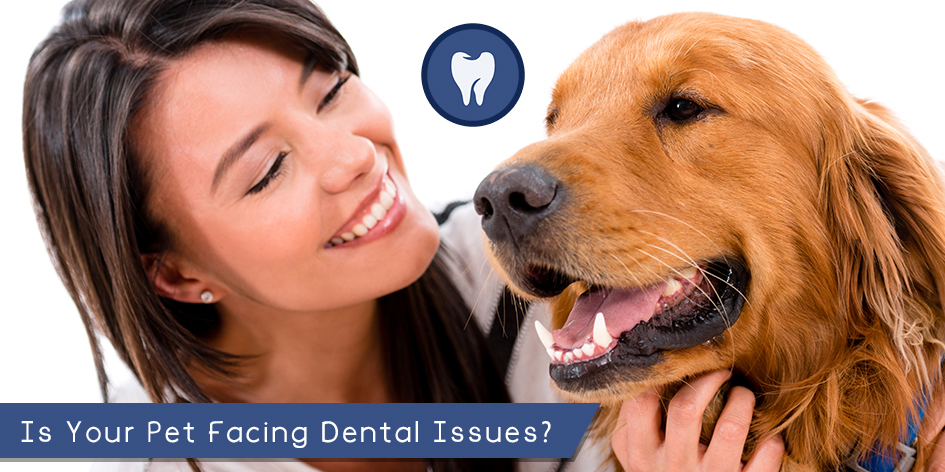
Is Your Pet Facing Dental Issues? Try 3 Common Yet The Most Ignored Tips!


Almost more than 70% of canines and felines face dental problems after the age of 4 years. These issues later becomes reason for severe issues in pets which no pet owner would want their fur babies to go through or either pay for it. Thus, taking precaution is the safest and cheapest way to take care of your pet’s oral hygiene. If your dog or cat has a foul odour, chewing problems, gum issues, then start with implementing following 3 most commonly given yet ignored tips:

Regular brushing- As much required for pets as it is for us!
Now the concept of brushing pet’s teeth is not laughed upon and pet owners are gradually coming there. Canines and felines require tooth brushing as much as we do to remove the stuck over food and fight the oral bacteria in the mouth. It also protects the teeth from decaying, periodontal diseases, tartar build-up and plaque. It is recommended to use toothpaste formulated especially for pets. Do not use your toothpaste as it can be lethal for your pooch or kitty.

Professional dental checkups and cleaning- Make it regular
Pet owners, for some reason tend to avoid professional dental check-ups. Well, it certainly may not be a very good idea. It is necessary to know the status of our pet’s oral hygiene to take required steps if there is any problem with their teeth or gums. Dental cleaning is necessary even if you brush your pet’s teeth regularly, so if you are not then it is crucial. Make it a point to be regular in your pet’s dental clean-up and check up to ensure dental safety for pets.

Dental treats- Pet’s favourite and your favourable
This tip may become your pet’s favourite! Dental treats such as bones, bully sticks, antlers, hooves, etc. help in maintaining pet’s oral health. Gnawing on these chewable treats may help in removing tartar on regular basis which ultimately improves oral health of canines and felines.

These tips may seem like you already know about, but are you following them. This is just a reminder of forever known dental health tips for pets, so if you still are ignoring them then it may be time to resume or start these activities.